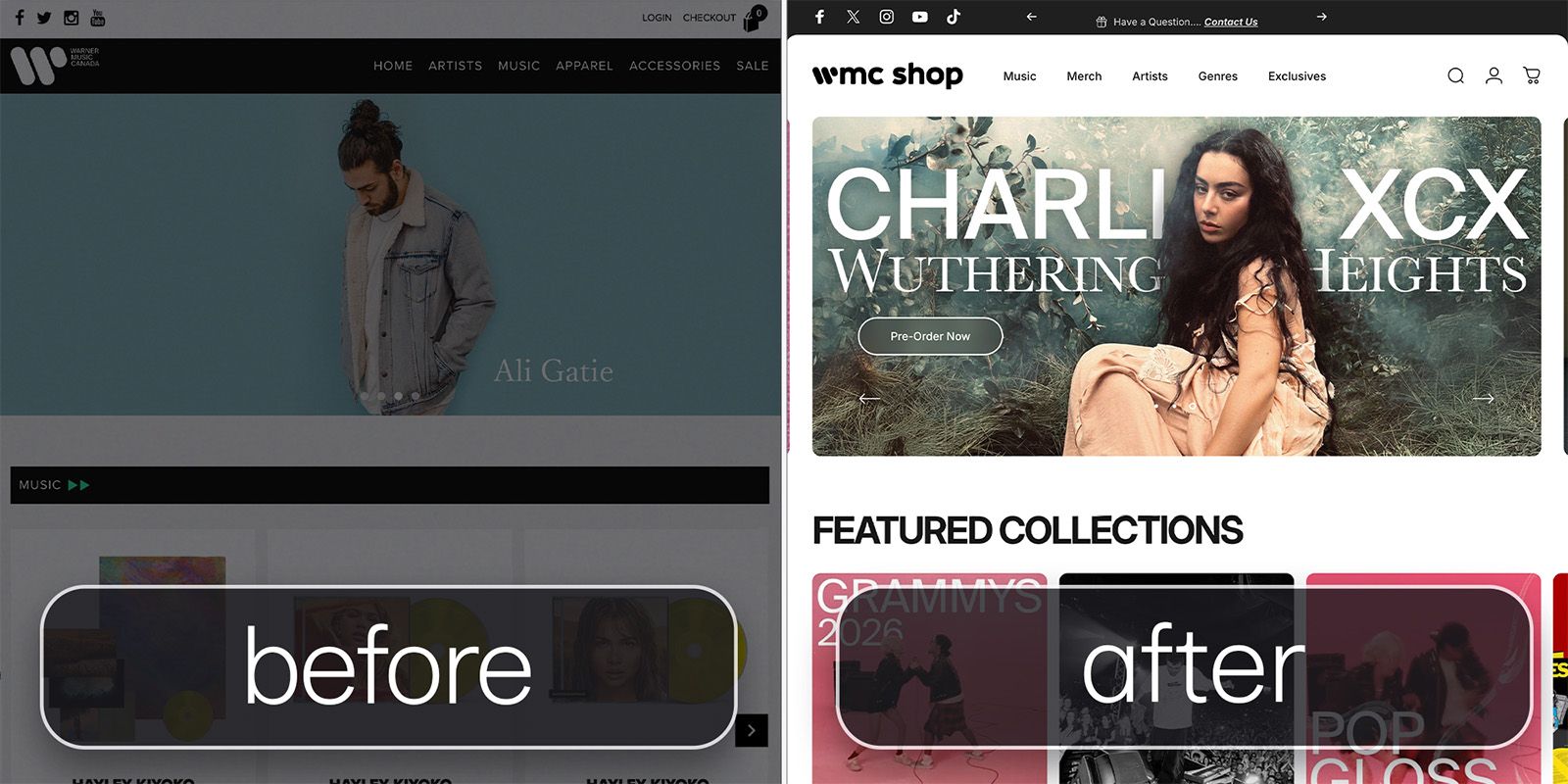
Transforming a marketing checklist into a curated destination that prioritizes audience attention over corporate reporting.
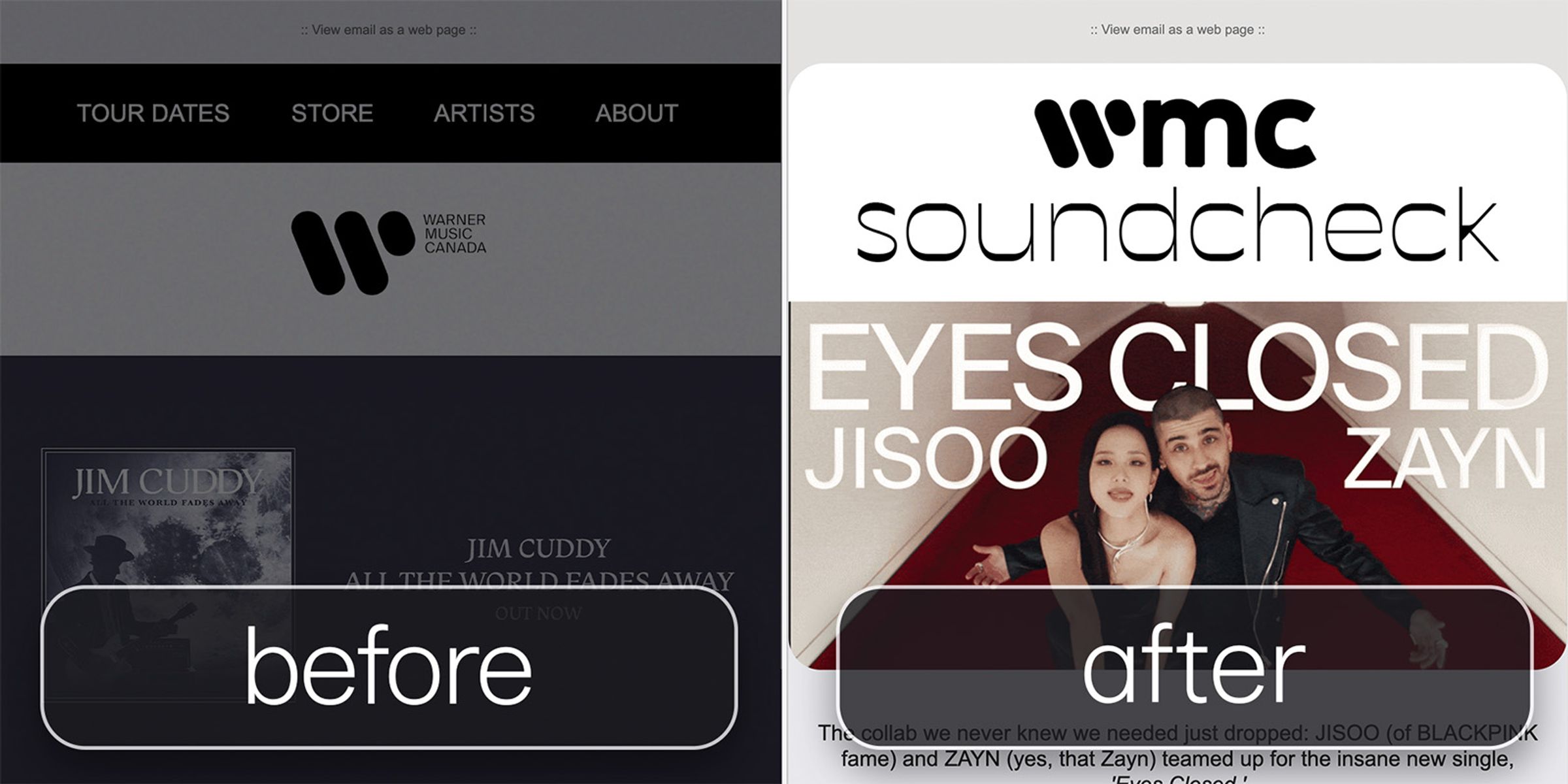
from decentralized content to editorial authority.
Warner Music Canada’s fan newsletter was aiming for breadth over depth. It was structured to satisfy internal reports, which meant it often felt like a checklist of links rather than a conversation with fans. I led the pivot to wmc Soundcheck, transforming that legacy model into a narrative-driven destination. By treating every release as a story rather than just another data point, we turned a corporate update into something fans actually look forward to opening.
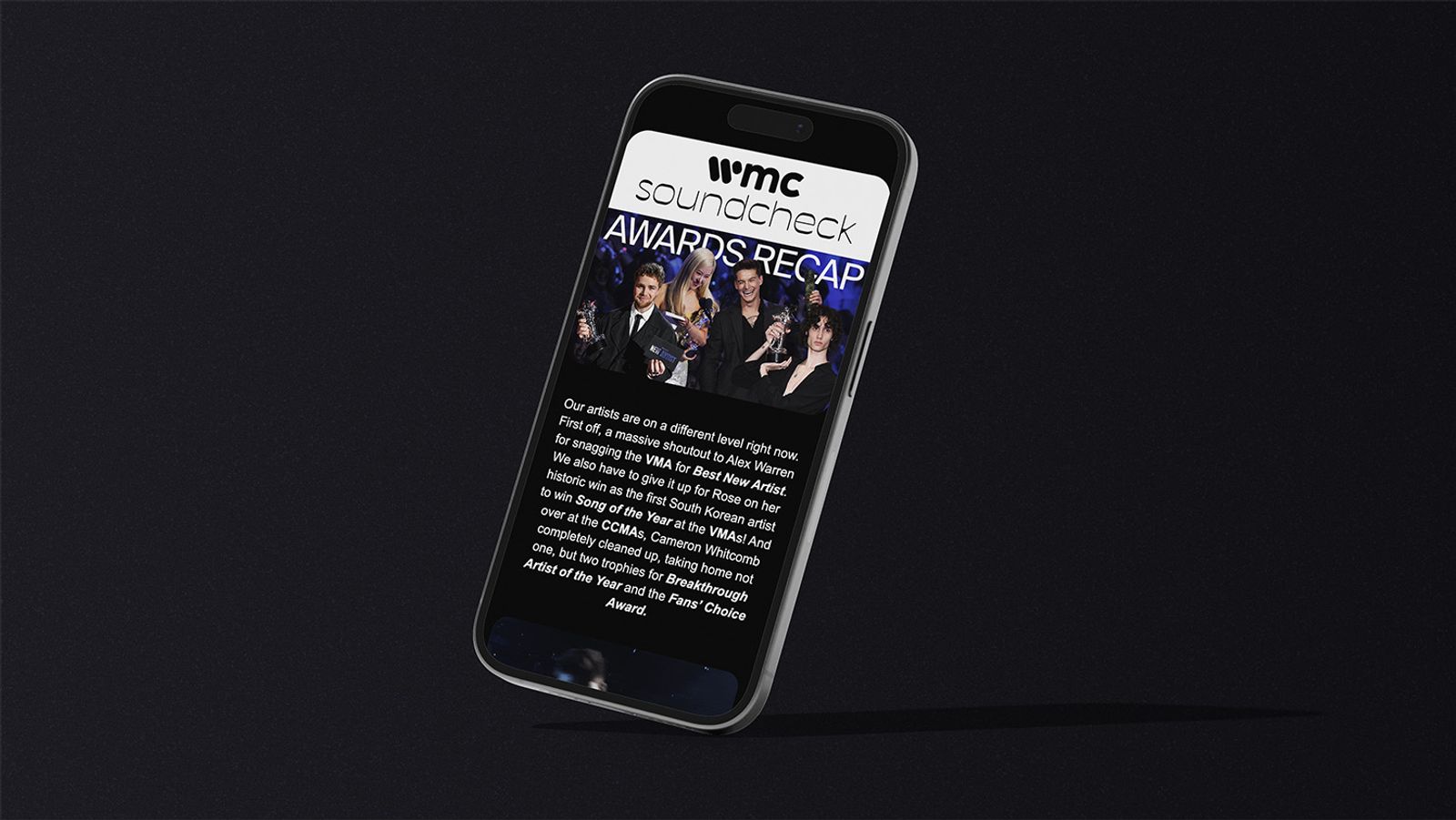
curation > noise
The scroll on the left shows the legacy approach: an overwhelming amount of content that forced the reader to do the heavy lifting. The scroll on the right is soundcheck—a focused, intentional experience that guides the audience toward what actually matters.
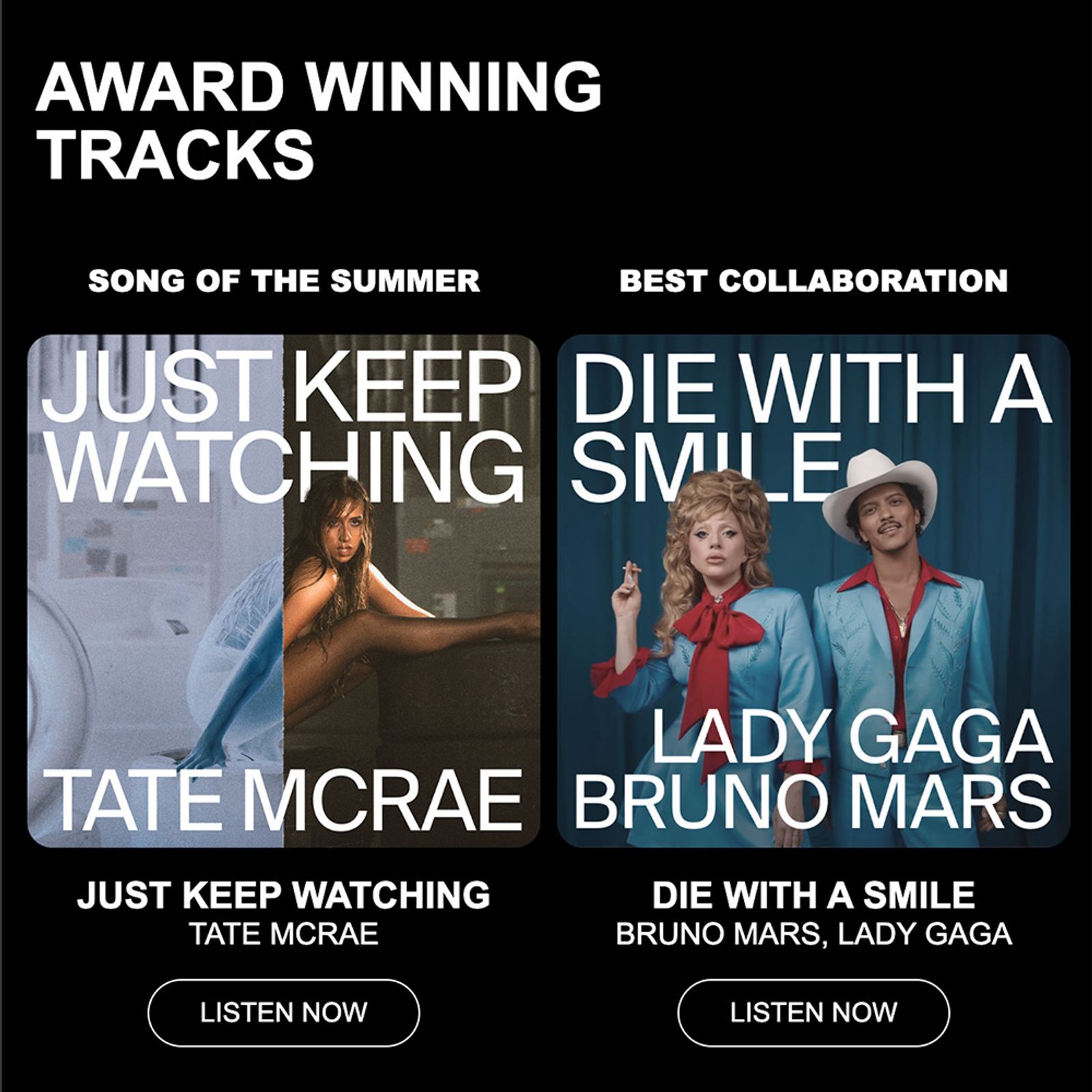
moved beyond legacy processes to create actual interest.
The legacy newsletter was being built for internal reports rather than the fans. It prioritized a marketing "checklist" over audience retention, leading to content that felt like a chore to read.
the editorial pivot:
I reframed the newsletter as WMC Soundcheck, moving away from messy pile of links toward a curated, narrative-driven experience.
the "attention" model:
We stopped building a press link document and started building an editorial product—focusing on hooks that created immediate interest.
Consistency builds a recognizable brand that people actually want to open.
The aesthetic was a "Frankenstein" of various artist styles that felt cluttered and lacked a cohesive voice.
the editorial system:
I developed a unified visual identity and a repeatable system for assets. This ensured every release—from global stars to emerging talent—felt like it belonged to the same brand.
human-centric design:
I optimized the layout for the way people actually read on their phones, making the hierarchy clear and the "next step" impossible to miss.
Proving that less content—done better—drives more value for the brand.
Engagement was low because the content relied on corporate press copy that didn't have a human "hook."
human copywriting:
We ditched the corporate jargon in favour of editorial hooks designed to drive actual interest and clicks.
optimizing the journey:
I prioritized the user experience to ensure the message didn't just land in the inbox, but actually felt like a personal invitation to take action.
What does this mean for your business?
You’ve done the heavy lifting of building the business; let me handle the architecture of the brand. Let’s start with a Pulse Check to find a clear way forward.
You might not be managing a global roster, but the problem is the same: when you’re busy, your marketing usually starts to feel like a checklist. I’m here to help you clear that noise so your audience feels like they’re hearing from a person, not a machine. I handle the strategy and the look—transforming your emails into something that feels curated and intentional, rather than just another task to be managed——so you can get back to building real connections.